The research lines explored by the members of the Cosmology Group at IFCA are very broad. Given the strong emphasis of the group on observational cosmology, we participate in many collaborations, missions and international projects. You can find some of them below.
Collaborations & Missions
- ARRAKIHS
- BINGO
- BISOU
- CADEx
- DAMIC-M
- Einstein Telescope
- EUCLID
- HETDEX
- J-PAS
- JWST & HST
- LiteBIRD
- MeerKLASS
- QUIJOTE
- Simons Observatory
- SKA
ARRAKIHS
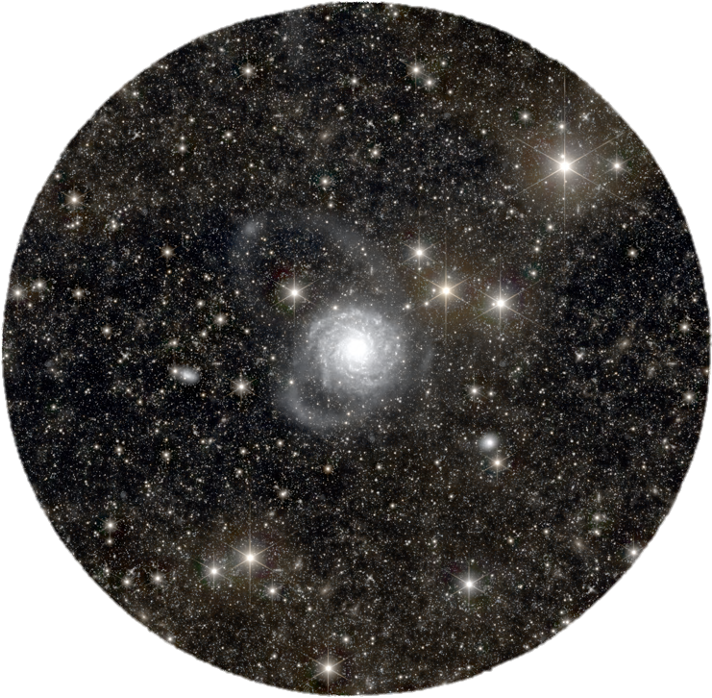
The ARRAKIHS mission (Analysis of Resolved Remnants of Accreted galaxies as a Key Instrument for Halo Surveys) is a cutting-edge European Space Agency (ESA) project designed to explore the ultra-low surface brightness universe. ARRAKIHS aims to tackle one of the most profound questions in modern cosmology: the nature of dark matter. This mission will provide unprecedented data by systematically observing about one hundred nearby galaxy halos, probing the faint remnants of galaxy interactions and dark matter distribution that are invisible to ground-based telescopes.
ARRAKIHS will carry out the most detailed survey ever conducted of galaxy halos down to a surface brightness level of 31 mag/arcsec². By observing visible (VIS) and near-infrared (NIR) wavelengths, ARRAKIHS will collect a unique dataset that will challenge current cosmological models and possibly lead to revisions of the widely accepted Cold Dark Matter (CDM) theory.
ARRAKIHS addresses several key challenges in cosmology, such as the “missing satellites” and “too big to fail” problems, where the number of observed dwarf galaxies in galaxy halos is lower than predicted by CDM models. Through deep imaging, the mission will catalogue previously undetectable satellite galaxies and faint stellar streams—evidence of past galaxy mergers—that hold the key to understanding the hierarchical formation of galaxies and test different dark matter models as a key driver for cosmological evolution.
The mission is the second F-class mission selected by ESA and the first ESA mission led by a Spanish institution. Professor Rafael Guzmán from the Instituto de Física de Cantabria (IFCA) serves as the Principal Investigator. IFCA plays a central role, contributing to the mission’s Science and Ground Segment working packages. IFCA also hosts the ARRAKIHS Communication Office, Project Office and Science Data Centre, and also to the instrumentation, coordinating the NIR detectors and Front-End Electronics WPs of the last PRODEX call. The ARRAKIHS mission will also complement other major projects like the Euclid mission, offering a broader understanding of dark matter by focusing on the local universe rather than distant, high-redshift galaxies. Thus, ARRAKIHS bridges the observational gap in dark matter research, connecting the microscopic scales explored by particle physics experiments like DAMIC-M with the vast cosmological scales investigated by large-scale projects such as JWST-HST, Euclid, QUIJOTE, and LiteBIRD.
for more information check ARRAKIHS Mission Consortium website
Researchers involved
- Sandra Carcedo
- Biuse Casaponsa
- Francisco Javier Casas
- José María Diego
- Helena Domínguez Sánchez
- Rafael Guzmán
- Diego Herranz
- Nicolas Longeard
- Enrique Martínez-González
- Abram Pérez
- Juan Villafañe
BINGO
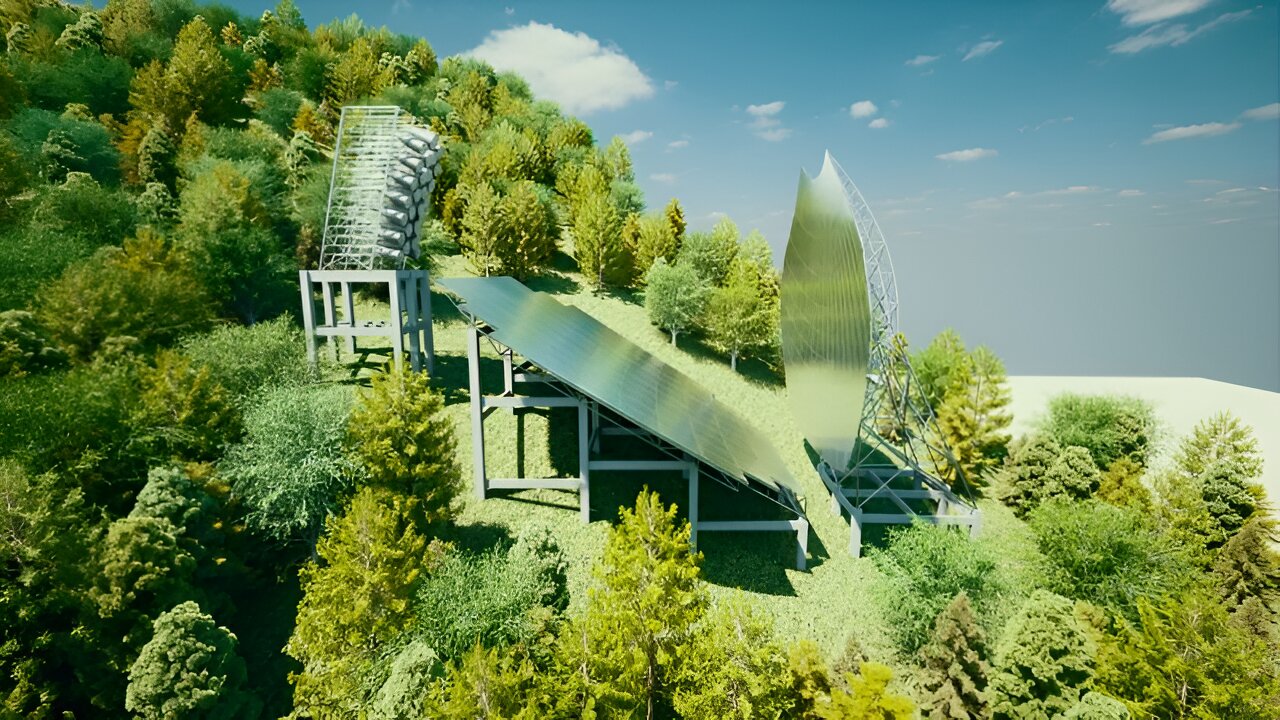
BINGO (Baryon Acoustic Oscillations from Integrated Neutral Gas Observations) is a 40-meter radio telescope under construction in northeastern Brazil. It is designed to map the large-scale distribution of neutral hydrogen in the Universe by observing redshifted 21-cm line emission over the frequency range 980–1260 MHz, corresponding to a redshift interval of 0.127 < z < 0.449. Its primary science goal is to detect baryon acoustic oscillations (BAOs) through 21-cm line intensity mapping, thereby providing precise measurements of the Universe’s expansion history in a relatively underexplored redshift regime. BINGO will survey approximately 6,000 square degrees of the sky with an angular resolution of about 40 arcminutes.
The telescope design is based on a single-dish, many-horns optical layout, specifically using two 40-metre dishes in a crossed-Dragone configuration feeding a focal plane with 28 horn antennas. These horns collect radio waves in two circular polarisations, operating in drift-scan mode (i.e. letting the sky drift across the beams) to build up maps of the sky. BINGO provides fine spectral resolution—including tens of thousands of FFT channels—to distinguish the faint cosmological 21-cm signal from much brighter foregrounds.
Researchers involved
BISOU
BISOU (Balloon Interferometer for Spectral Observations of the primordial Universe) is a balloon-borne differential spectrometer project led by IAS (Institut d’Astrophysique Spatiale) in France. Its goal is to detect spectral distortions in the Cosmic Microwave Background (CMB), especially the y-type distortion caused by late-time energy injections such as during reionization and structure formation. BISOU will also improve measurements of the absolute CMB temperature and the total intensity of the Cosmic Infrared Background (CIB). These distortions are predicted theoretically as tiny deviations from a perfect blackbody spectrum, and while the COBE-FIRAS mission confirmed that the CMB is extremely close to a blackbody, these subtle deviations have not yet been measured to high precision.
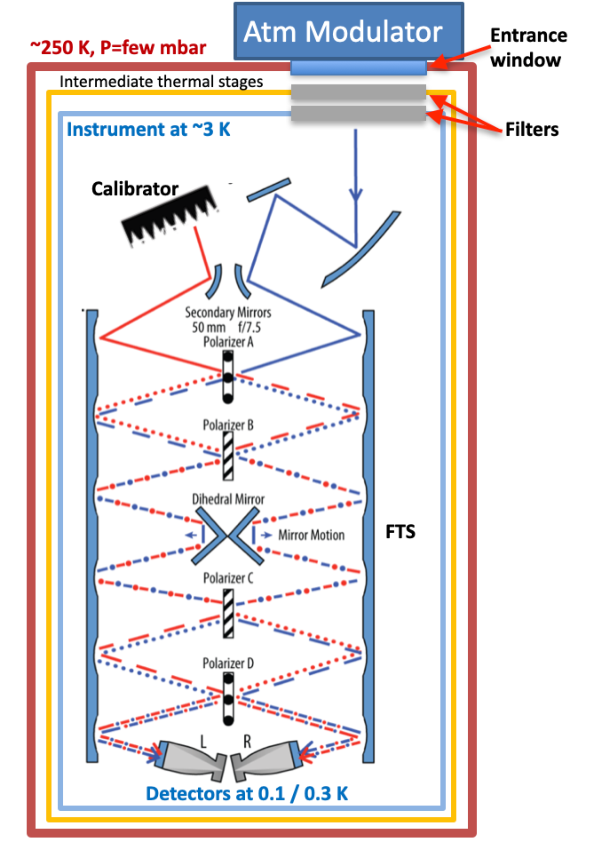
Technically, BISOU is conceived as a pathfinder instrument: a stratospheric balloon experiment that uses a Fourier Transform Spectrometer (FTS) with high sensitivity, refined calibration, and stringent control of systematic effects. The project has already completed a CNES Phase 0 study in spring 2023, validating the concept and key technological choices. As of mid-2024, it has entered into Phase A, which will run for about two years, to further refine the design, build and test subsystems (including cryogenics, optics, thermics, mechanics), ultimately paving the way for an ambitious future space-based CMB spectrometer as part of ESA’s Voyage 2050 programme.
Researchers involved
CADEx
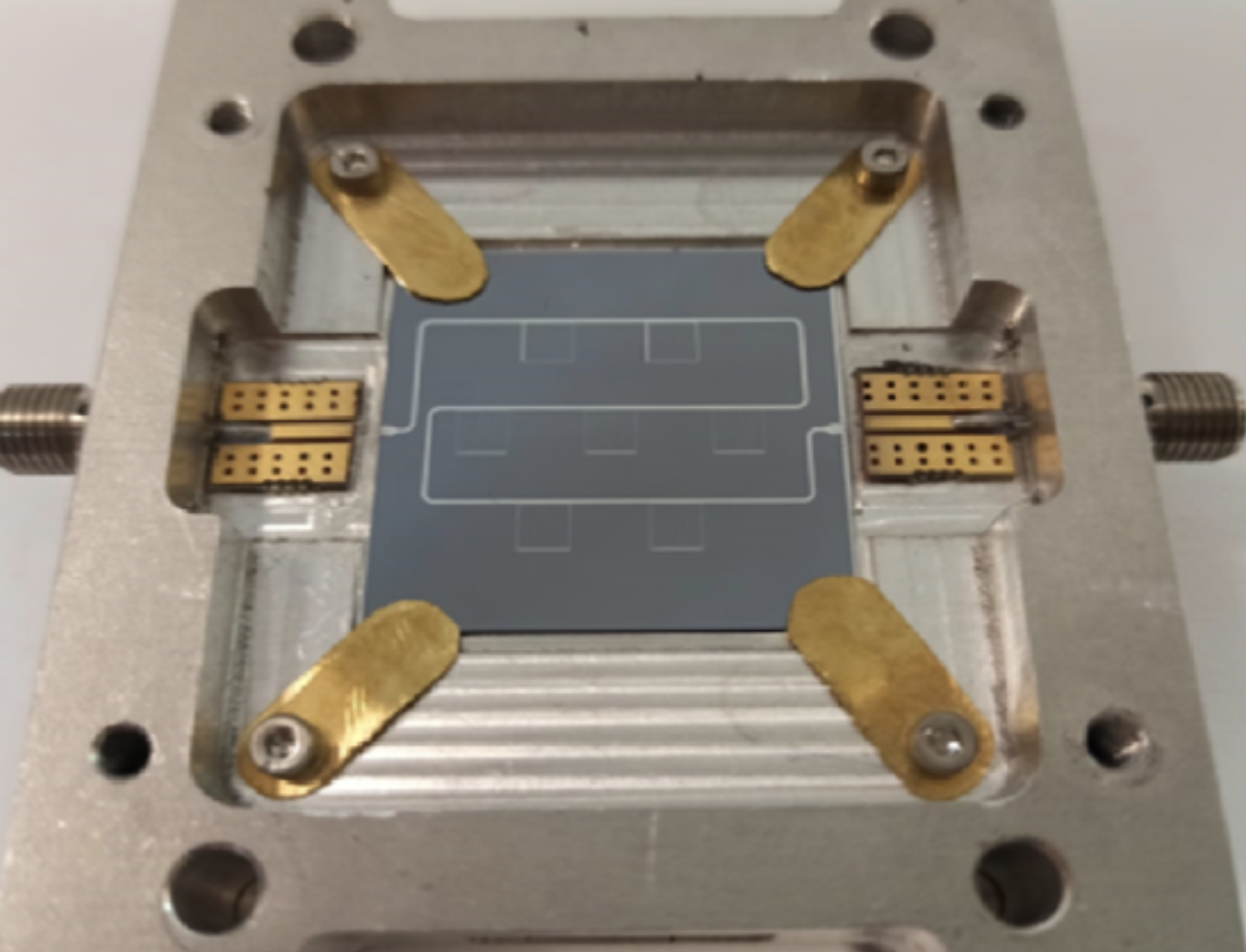
The Canfranc Axion Detection Experiment (CADEx) is a planned search for the Dark Matter axion in the mass range (330–460 μeV) within the W-band (80–110 GHz). CADEx combines a microwave resonant cavity haloscope with a broadband incoherent detector system to be installed in the dilution refrigerator in the Canfranc Underground Lab (LSC). CADEx is currently in the design and development phase.
CADEx is a collaboration formed by several research institutions in Spain. At IFCA, members from both the Cosmology and the Particle Physics group contribute to the collaboration.
Researchers involved
- Rita Belén Barreiro
- Laura Castelló
- Francisco Javier Casas
- Bradley J. Kavanagh
- Enrique Martínez-González
- Patricio Vielva
DAMIC-M
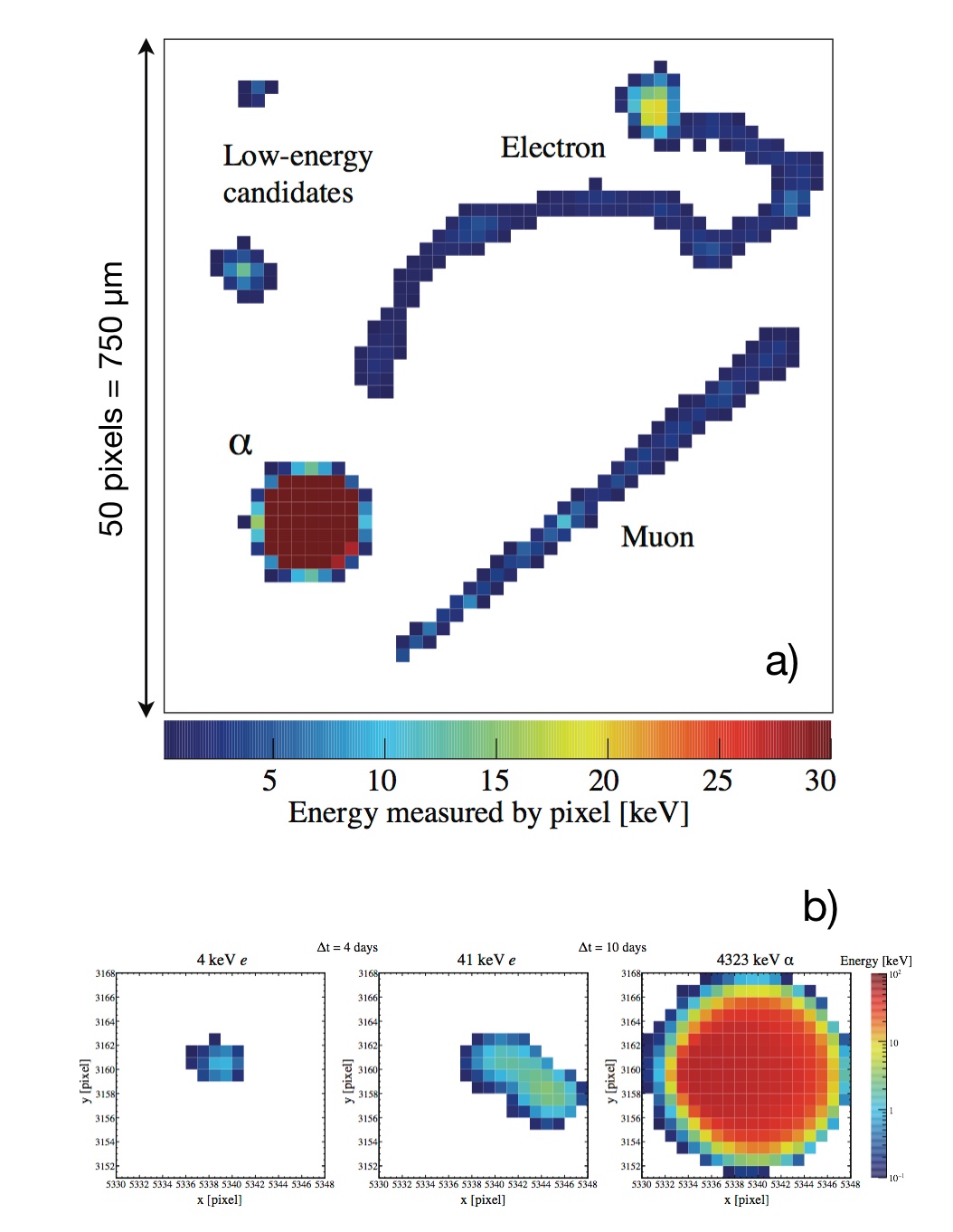
The DAMIC-M experiment (DArk Matter In CCDs at Modane) will use charge coupled devices (CCDs) as pixellated ionisation detectors to search for Dark Matter. Based at the Laboratoire Souterrain de Modane (LSM) in France, DAMIC-M will eventually consist of ~1 kg of active Silicon detector mass. Crucially, DAMIC-M will make use of ‘skipper’ readout technology, in which the charge in each CCD pixel can be read-out multiple times in a non-destructive way, allowing the experiment to achieve single-electron resolution, providing world-leading sensitivity to DM-nuclear and DM-electron scattering. This unconventional use of CCDs has been successfully demonstrated by DAMIC at the SNOLAB underground laboratory in Canada where a 40-g prototype detector is currently operating.
IFCA’s contribution to DAMIC-M includes members of both the Cosmology group and the Particle Physics & Instrumentation Group. The key contribution of the Cosmology group is in signal modelling and data analysis.
Researchers involved
Einstein Telescope
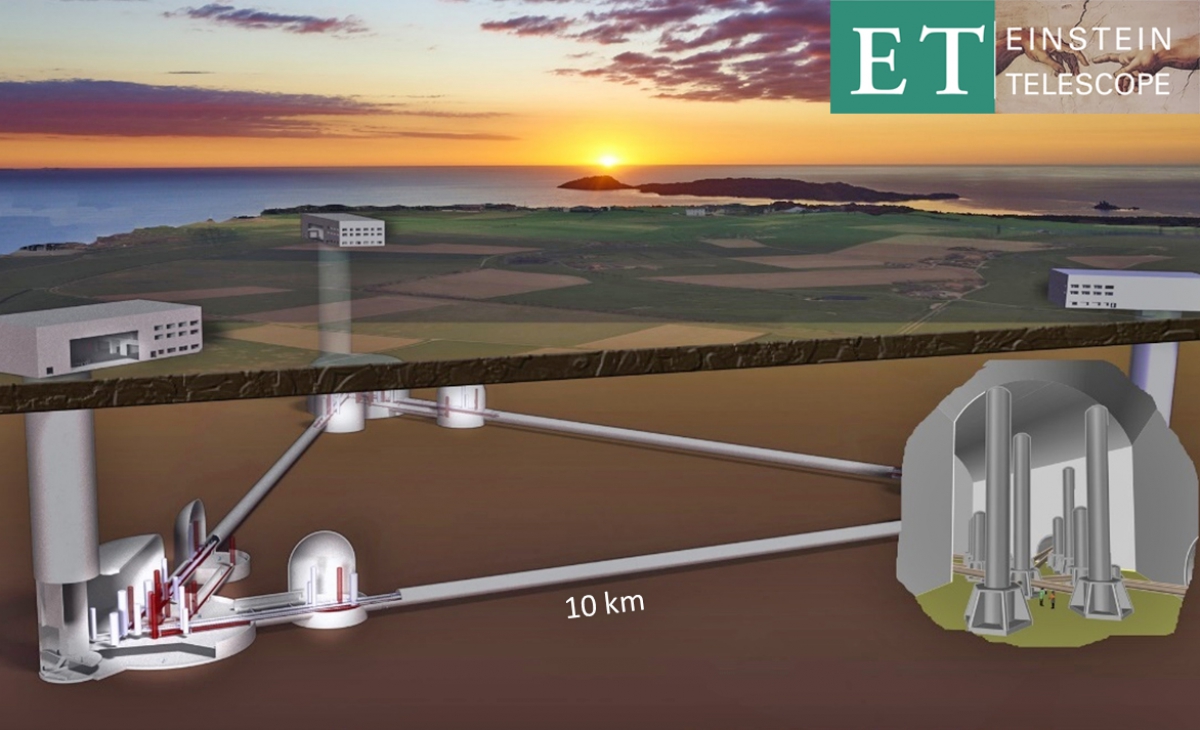
Einstein Telescope (ET) is a proposed, next-generation underground observatory for detecting gravitational waves (GWs). ET will achieve a greatly improved sensitivity by increasing the size of the interferometer from the 3km arm length of the Virgo detector to 10km, and by implementing a series of new technologies, with observations planned to begin in the 2030s.
ET will make it possible, for the first time, to explore the Universe through gravitational waves along its cosmic history up to the cosmological dark ages, shedding light on open questions of fundamental physics and cosmology. It will probe the physics near black-hole horizons (from tests of general relativity to quantum gravity), help understanding the nature of dark matter (such as primordial BHs, axion clouds, dark matter accreting on compact objects), and the nature of dark energy and possible modifications of general relativity at cosmological scales. Exploiting the ET sensitivity and frequency band, the entire population of stellar and intermediate mass black holes will be accessible over the entire history of the Universe, enabling to understand their origin (stellar versus primordial), evolution, and demography.
Within the group, our focus is on building the science case for ET and understanding the nature of possible GW signals. In particular, this includes understanding the possible gravitational lensing of GWs, potential signals from primordial black holes, and the impact of DM environments on gravitational waveforms.
Researchers involved
EUCLID
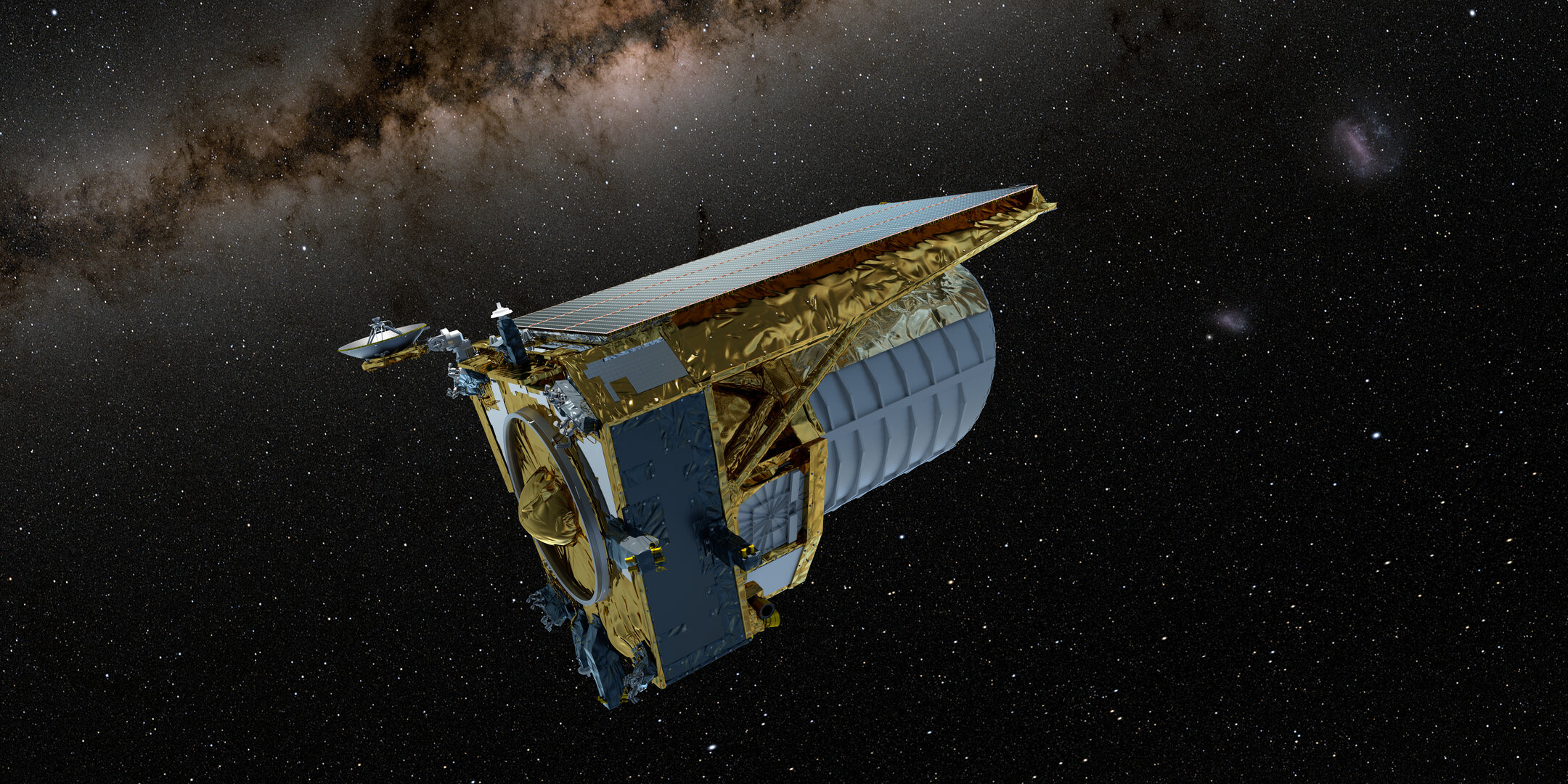
The Euclid mission, led by the European Space Agency (ESA), is designed to address some of the most profound questions in modern cosmology, particularly concerning the nature of dark matter and dark energy. Launched in 2023, Euclid aims to map the geometry of the universe by observing billions of galaxies across more than a third of the sky, spanning distances of up to 10 billion light-years. This ambitious survey will provide unprecedented data on the large-scale structure of the universe, offering key insights into the distribution of dark matter and the accelerated expansion driven by dark energy.
Euclid’s powerful instruments operate in the visible (VIS) and near-infrared (NIR) wavelengths, allowing it to detect faint galaxies and cosmic structures with extraordinary precision. Through its wide-field imaging and spectroscopic capabilities, the mission will measure the shapes, positions, and redshifts of galaxies, enabling scientists to trace the evolution of cosmic structures over time. By studying gravitational lensing and galaxy clustering, Euclid will map the distribution of dark matter and test different models of dark energy, shedding light on the mysterious forces shaping the cosmos.
Euclid complements other major observatories like the James Webb Space Telescope (JWST) and the Hubble Space Telescope (HST), but with a unique focus on the large-scale structure of the universe rather than individual galaxies or distant stars. As a cornerstone of ESA’s Cosmic Vision program, Euclid will provide crucial data that could lead to paradigm-shifting discoveries in cosmology, helping to refine or challenge the current standard model of cosmology, the Lambda Cold Dark Matter (ΛCDM) model.
Researchers involved
- Ana Acebrón
- José María Diego
- Helena Domínguez Sánchez
- Enrique Martínez-González
- Guillermo Martínez-Somonte
- José María Palencia
- Sefa Pamuk
HETDEX
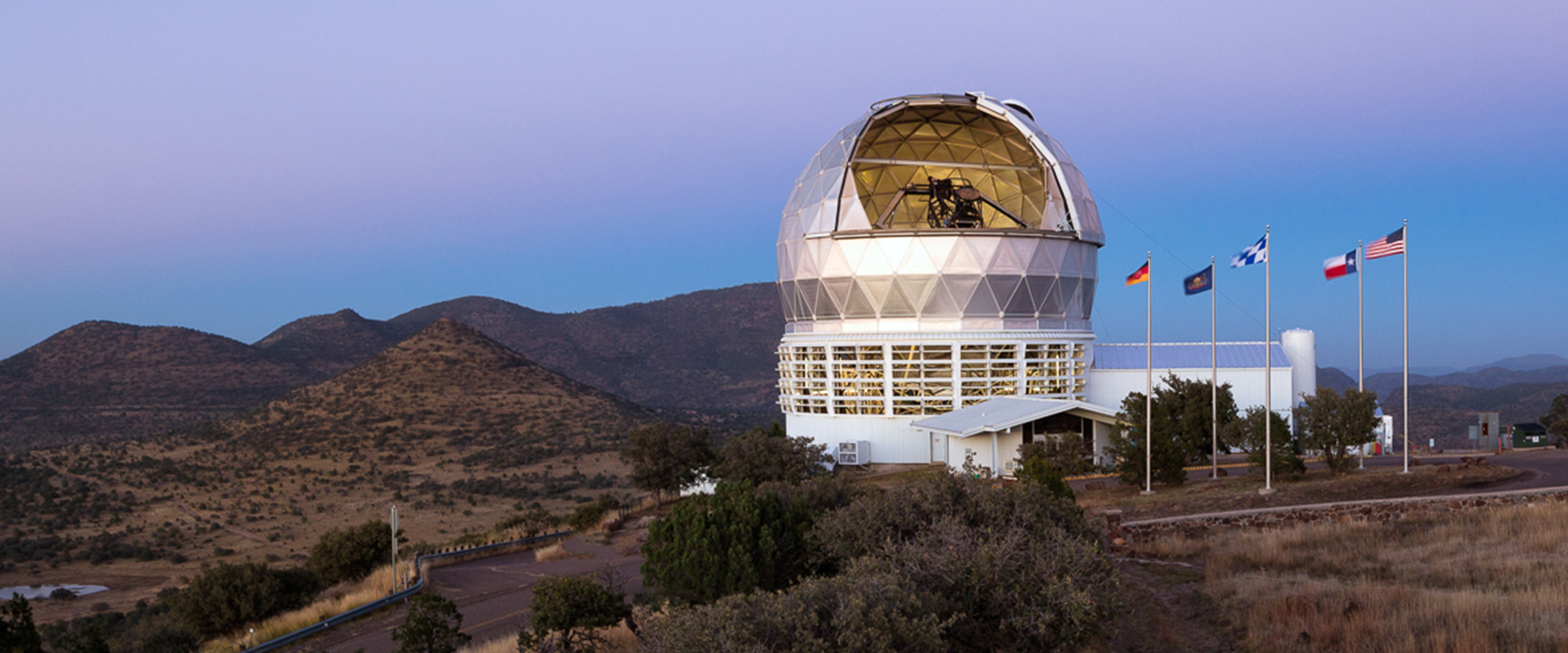
The Hobby-Eberly Telescope Dark Energy Experiment (HETDEX) at The University of Texas at Austin McDonald Observatory is the first major experiment to probe dark energy through the expansion history of the Universe at high redshift. It uses the giant Hobby-Eberly Telescope and the VIRUS instruments (employing IFUs) to perform a spectroscopical galaxy survey of Lyman-alpha emitters at redshifts between 2.8 and 3.8.
HETDEX finished observing in 2024. HETDEX’s main goal is to probe the large-scale structure at these high redshifts and, measuring the baryon acoustic oscillations and using them as a standard ruler, probe dark energy. Nonetheless, the quality and wealth of its measurements allows for a much wider scientific output.
Since HETDEX galaxy survey does not employ galaxy targeting (thanks to the IFUs), fibers with non detections can be used to build a line-intensity map. Staff at IFCA contributing to HETDEX is focused on the study of the large-scale structure with HETDEX observations, in particular combining detections and non detections (i.e., cross correlating galaxy positions and line-intensity mapping observations).
Researchers involved
J-PAS
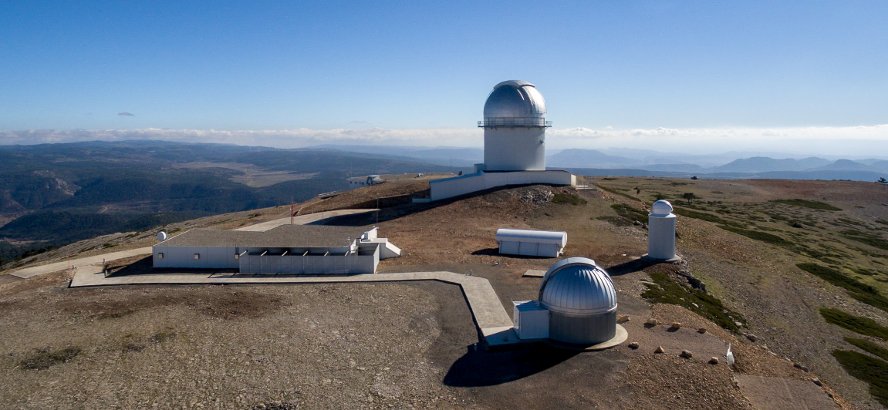
J-PAS (Javalambre Physics of the Accelerating Universe Astrophysical Survey) will cover ~ 8000 deg^2 using an unprecedented system of 54 narrow-band filters, supplemented by two medium-band and one broad-band filter to cover the full optical range. The filter system was optimized to pursue three main scientific goals: first, to accurately measure photometric redshifts for galaxies up to z~1; second, to study stellar populations in nearby galaxies; and third, to resolve broad spectral features of objects such as AGNs and supernovae
The main J-PAS instrument is the JST250, a 2.5 m telescope with an effective field of view of 7 square degrees. That instrument has an étendue of about 26 m^2 deg^2, which is on a par with other state-of-the art instruments dedicated to wide-area astrophysical surveys. The telescope is located in the Observatorio Astrofísico de Javalambre, an astronomical Spanish ICTS particularly devoted to carry out large sky astronomical surveys with two large field of view telescopes, state-of-the-art panoramic instrumentation, and an unprecedented set of optical filters.
Researchers involved
- José María Diego
- Helena Domínguez Sánchez
- Airam Marcos-Caballero
- Enrique Martínez-González
- Guillermo Martínez-Somonte
JWST & HST
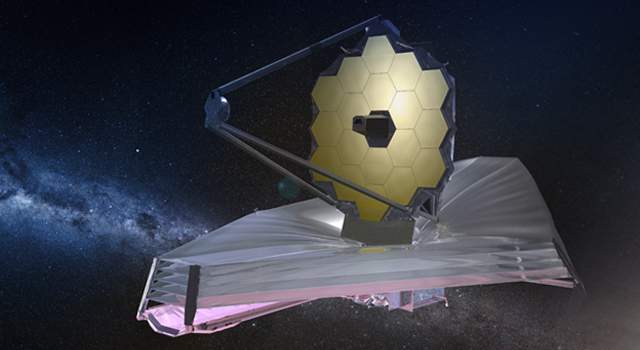
The Hubble Space Telescope (HST), launched in 1990 by NASA in collaboration with ESA, is one of the most significant astronomical observatories in history. Operating in low Earth orbit, HST has revolutionised our understanding of the universe by providing incredibly detailed images across ultraviolet, visible, and near-infrared wavelengths. Its observations have transformed numerous fields in astronomy, from studying distant galaxies and dark matter to uncovering the mysteries of exoplanets and black holes.
With its unparalleled clarity and resolution, HST has made groundbreaking discoveries, such as confirming the accelerating expansion of the universe—leading to the discovery of dark energy—, providing direct evidence of the existence of supermassive black holes, and capturing the most distant galaxies ever observed. HST’s ability to peer deep into the cosmos has enabled scientists to explore galaxy formation and evolution, the life cycles of stars, and the structure of the early universe.
For over 30 years, HST has remained a cornerstone of modern astrophysics, serving as a critical tool for understanding our cosmic origins. It complements missions like JWST and Euclid, providing valuable data on both the local and distant universe.
The James Webb Space Telescope (JWST), launched in 2021 by NASA in partnership with ESA and CSA, is the most advanced space observatory ever built. Designed to study the universe in the infrared spectrum, JWST’s cutting-edge technology allows it to see through cosmic dust and capture faint light from the earliest galaxies formed after the Big Bang. This mission is set to uncover answers to some of the most profound questions in cosmology, including the formation of the first stars and galaxies, the evolution of planetary systems, and the search for life on exoplanets.
JWST’s powerful capabilities include a 6.5-metre primary mirror and a suite of sophisticated instruments that provide unprecedented sensitivity and resolution. Its ability to observe in the infrared spectrum makes it ideal for studying the formation of stars and planets within dense clouds of gas and dust, probing the atmospheres of exoplanets for signs of habitability, and investigating the distant universe’s evolution. By pushing the limits of observational astronomy, JWST is expected to offer new insights into the nature of dark matter and dark energy, providing critical data to complement other observatories like HST and Euclid.
As the successor to HST, JWST marks the next chapter in space-based astronomy, significantly extending our ability to study both the early universe and the local cosmic neighborhood, from faint galaxies to nearby star-forming regions.
Researchers involved
LiteBIRD
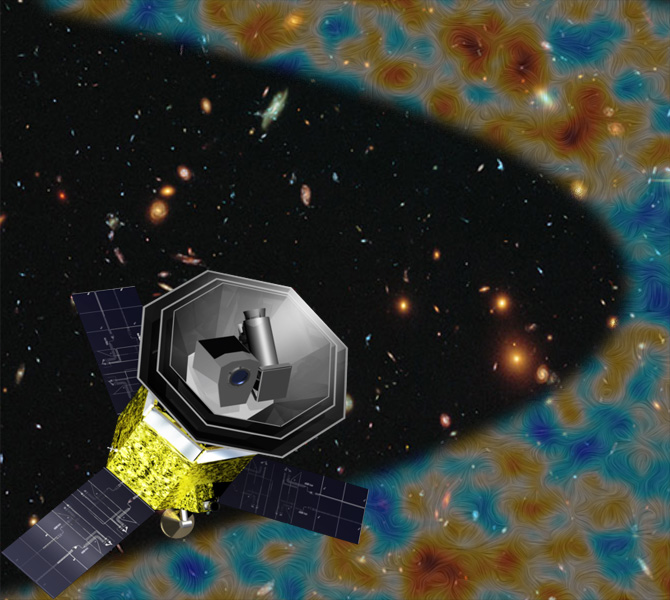
LiteBIRD (Lite satellite for the study of B-mode polarization and Inflation from cosmic background Radiation Detection) is a space mission led by JAXA, with international partners, focused on probing primordial cosmology and fundamental physics. Its main goal is to detect or rule out the imprint of primordial gravitational waves from cosmic inflation in the polarization of the cosmic microwave background (CMB).
LiteBIRD will map the CMB polarization across the entire sky in 15 frequency bands (34–448 GHz) with an angular resolution of 0.5° at 100 GHz. The mission aims to measure the tensor-to-scalar ratio (r) with a precision of δr ≲ 0.001 (68% confidence), testing inflationary models and potentially ruling out scenarios such as Starobinsky’s R² gravity model. A positive detection would provide strong evidence for inflation and insights into the physics behind the Universe’s structure.
Scheduled for launch in the early 2030s aboard JAXA’s H3 rocket, LiteBIRD will operate from the Sun–Earth Lagrange point L2 for three years in a stable, low-noise environment. Its multi-frequency approach is designed to overcome foreground contamination from astrophysical sources.
Beyond inflation, LiteBIRD will deliver high-precision measurements of reionization optical depth, improve constraints on neutrino masses, and map large-scale mass and hot gas distributions via gravitational lensing and the Sunyaev-Zeldovich effect. It will also test isotropy, Gaussianity, parity symmetry, and search for signatures of cosmic birefringence and primordial magnetic fields, which are potential indicators of new physics beyond the Standard Model.
LiteBIRD represents the next step after COBE, WMAP, and Planck, offering unprecedented sensitivity and frequency coverage. Its data will be a lasting legacy for cosmology and astrophysics, shaping our understanding of the Universe’s origin and fundamental laws.
Researchers involved
- Rita Belén Barreiro
- Francisco Javier Casas
- Marcos Cruz
- Laura Castelló
- Christian Gimeno-Amo
- Diego Herranz
- Airam Marcos-Caballero
- Enrique Martínez-González
- Guillermo Martínez-Somonte
- Mathieu Remazeilles
- Miguel Ruiz-Granda
- Patricio Vielva
- Dheeraj Vittal Shenoy
MeerKLASS
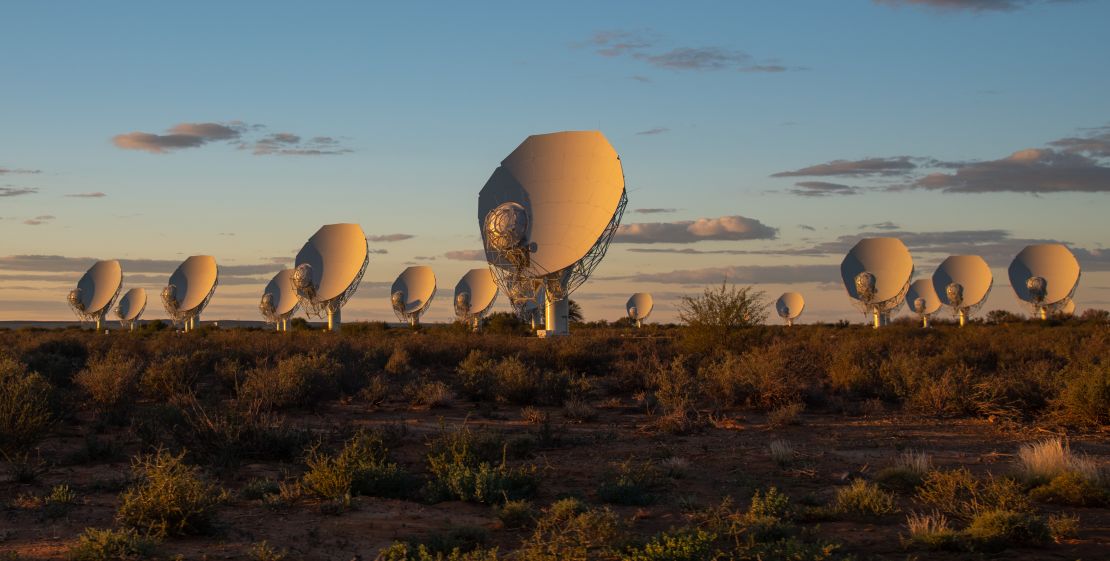
MeerKLASS (MeerKAT Large Area Synoptic Survey) is a 21-cm line-intensity mapping survey carried out using the MeerKAT telescope, one of the pathfinders for the SKAO. MeerKLASS aims for the first large-volume low-redshift line-intensity mapping survey, with plans to cover up to 10.000 deg² on the sky, from redshifts between 0.35 and 1.45 in the UHF band.
With these observations, and building upon the results obtained in smaller volumes in the L-band (200 deg², narrow redshift band around 0.45) the main goals are to obtain the first line-intensity mapping detection of the auto-power spectrum at large scales and measure the baryon acoustic oscillations. These observational and theoretical efforts will pave the road for 21-cm line-intensity mapping cosmological studies using the future SKAO.
IFCA researchers involved in MeerKLASS focus on the theoretical modeling of the signal (including analytic models and simulations), as well as on the development of methodologies to improve foreground mitigation.
Researchers involved
QUIJOTE
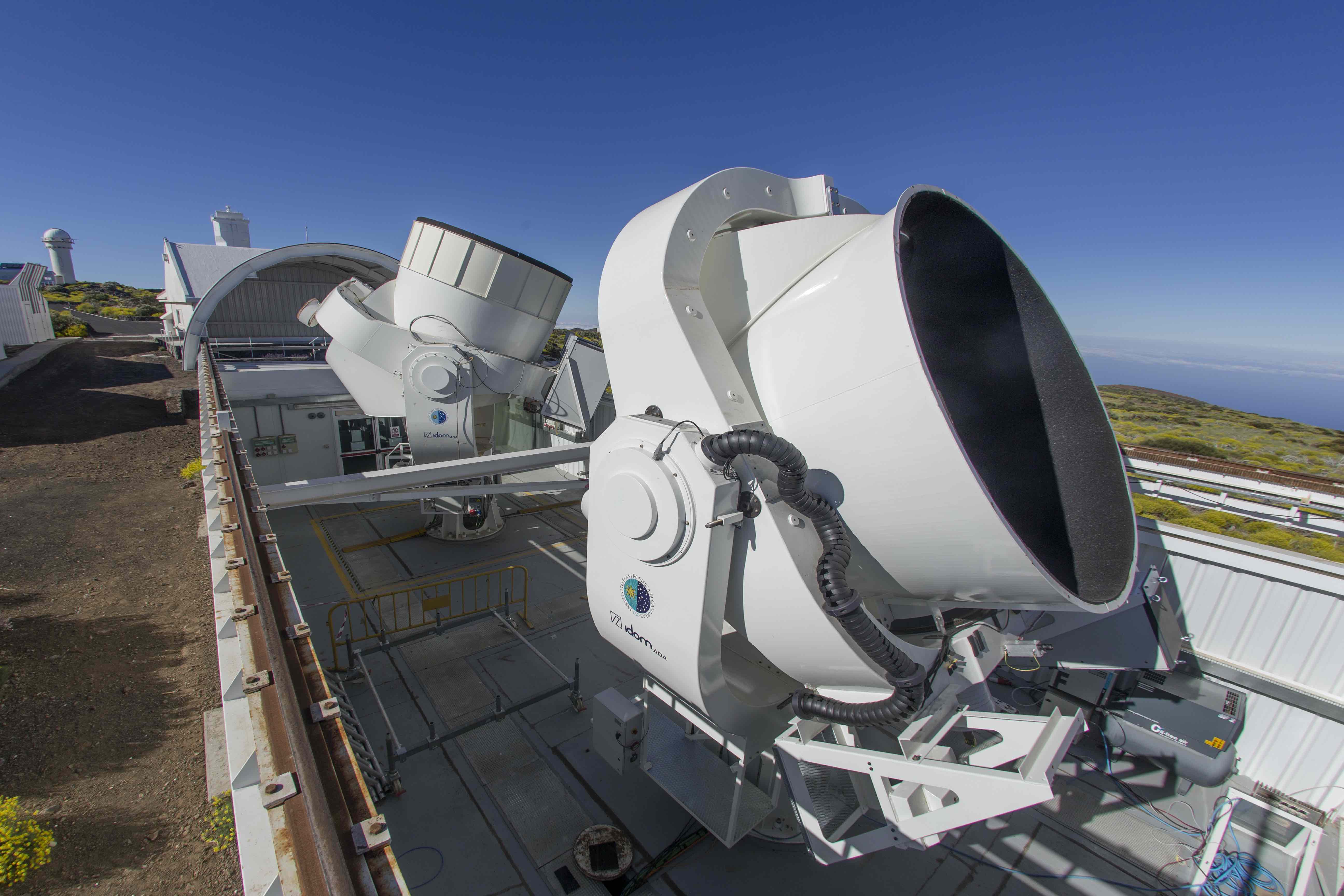
The QUIJOTE (Q-U-I Joint Tenerife) CMB experiment, located at the Teide Observatory in Tenerife, is a collaboration between the IAC, IFCA, DICOM (UC) and IDOM in Spain, and the Universities of Manchester and Cambridge in the UK. One of its main goals is to characterize the polarization of the CMB and other Galactic and extragalactic processes in the 10–40 GHz range at angular scales larger than 1 degree. The QUIJOTE measurements will complement at low frequency those obtained by Planck satellite, and will be used to correct for the galactic contamination in polarization. Its first instrument, the Multi-Frequency Instrument (MFI, operating at 10–20 GHz), has already delivered its first data release of maps and associated products. MFI is now being replaced by MFI2, a more sensitive instrument covering the same frequency range but equipped with a digital FPGA-based backend to mitigate radio-frequency interference (RFI) from satellite constellations. In addition, the hybrid TFGI instrument, which combines pixels from QUIJOTE’s second and third instruments (at 30 and 40 GHz) has already conducted scientific operations with a limited number of detectors and is planned to resume expanded operations in 2026. As well as exploiting data from QUIJOTE, we are involved in the calibration and commissioning of the TFGI, as well as contributing to the development of a new Ninety-Gigahertz Instrument (NGI)
Researchers involved
- Rita Belén Barreiro
- Francisco Javier Casas
- Diego Herranz
- Airam Marcos-Caballero
- Enrique Martínez-González
- Mathieu Remazeilles
- Patricio Vielva
Simons Observatory (SO)
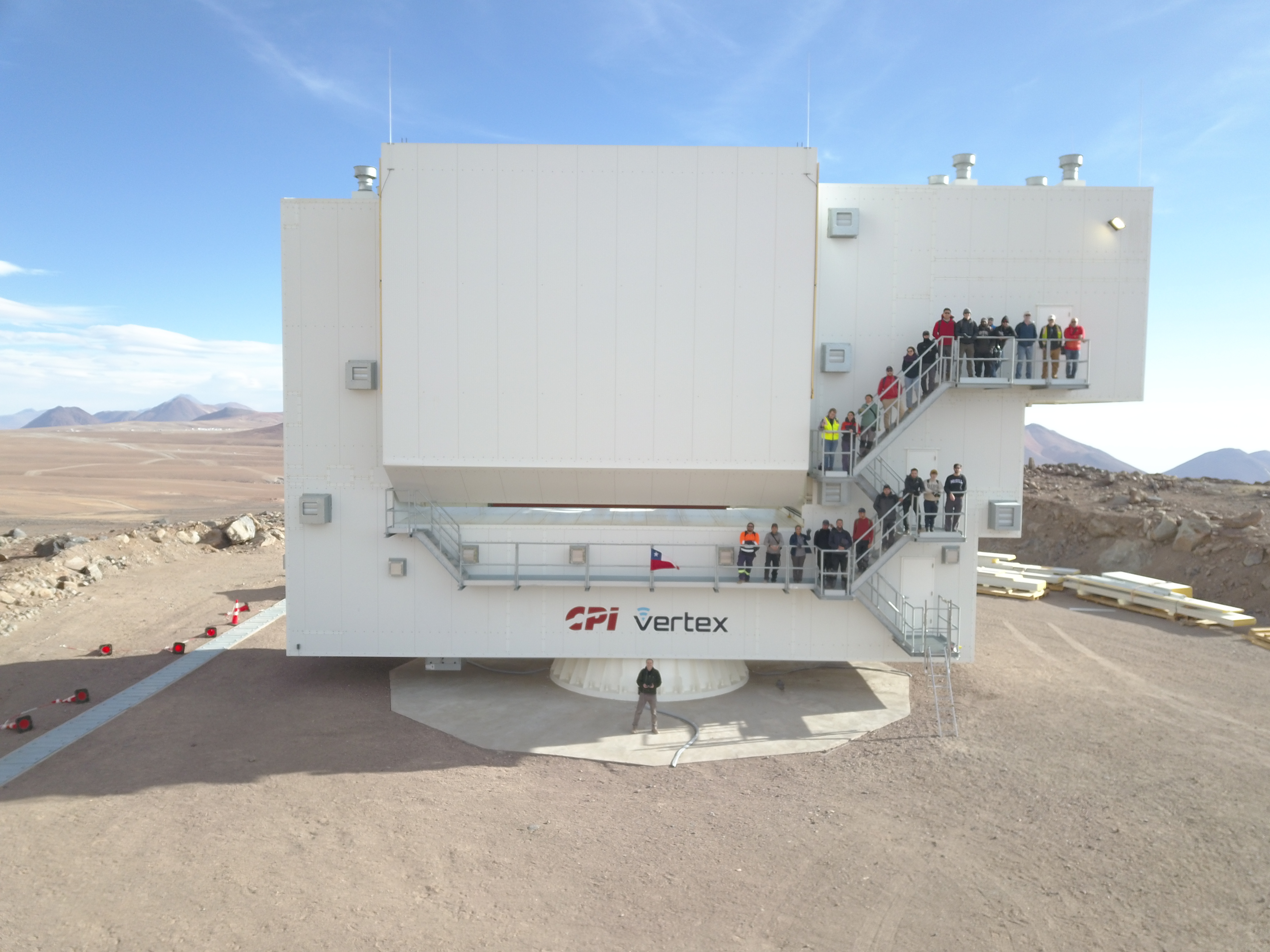
The Simons Observatory (SO) is a ground-based experiment located at high altitude (~ 5200 m) near the summit of Cerro Toco in the Atacama Desert of Chile. Its mission is to map the Cosmic Microwave Background (CMB) with unprecedented sensitivity, in both temperature and polarization, across multiple frequency bands (27–280 GHz) to extract cosmological information. SO combines small-aperture telescopes (SATs), optimized for the largest angular scales, with a large-aperture telescope (LAT) that provides high angular resolution. Together, these instruments will probe the early Universe (including the search for primordial gravitational waves), measure key cosmological parameters, constrain the sum of neutrino masses, and probe dark energy, while also studying astrophysical phenomena such as galaxy cluster formation and emission from the interstellar medium.
SO will deploy over 60,000 superconducting transition-edge sensor (TES) bolometers across its telescopes. The SATs aim for very low noise at large angular scales, enabling precise measurements of low multipoles (targeting a tensor‐to‐scalar ratio precision of σ(r) ≈ 0.003), while the LAT will map a much larger fraction of the sky (≈ 40-60%) at arcminute resolution to study fine-scale structure such as gravitational lensing and Sunyaev-Zeldovich effects. As of early 2025, the LAT mirrors have been installed, achieving “first light” by observing Mars, and the SATs are in various stages of commissioning.
Researchers involved
SKA

The IFCA researchers contributing to the SKAO are focused on two main task forces. One the one hand, they are developing strategies for foreground mitigation, which will be key to unlock all the SKAO potential, especially for high redshifts and science related to the epoch of reionization. On the other hand, they are focused on the modeling of the signal and the development of science cases for the HI galaxy survey, radio-continuum galaxy survey, and 21-cm low-redshift line-intensity mapping survey.